
Cardano Founder Warns Trump Politics Are Stalling U.S. Crypto Regulation
Cardano founder Charles Hoskinson warns that political polarization around Trump has derailed bipartisan crypto regulation efforts in the U.S.

Crypto Laddin
Author
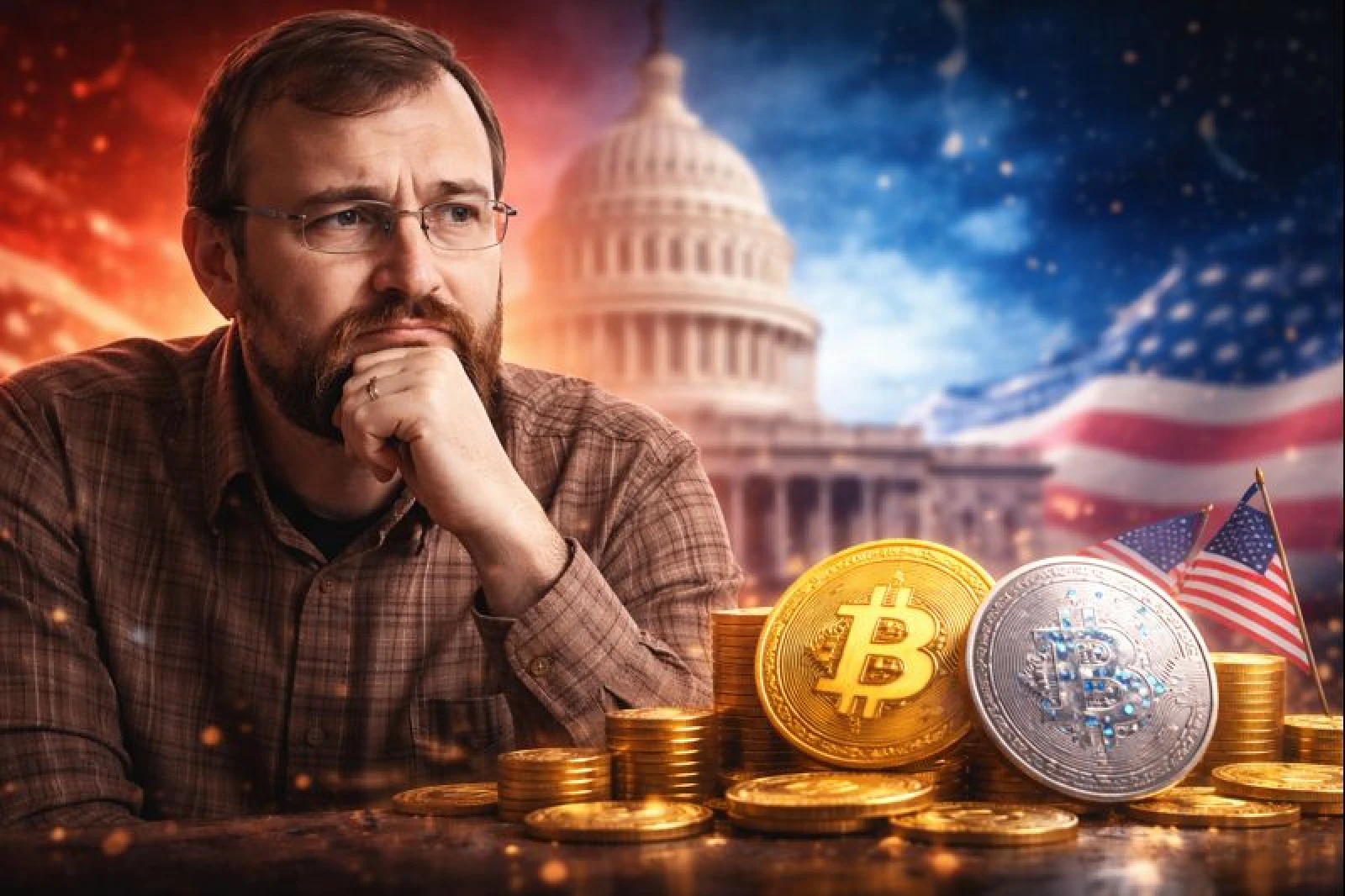
Cardano founder Charles Hoskinson has raised serious concerns about the future of cryptocurrency regulation in the United States, arguing that political polarization tied to President Donald Trump has effectively frozen what was once a bipartisan legislative effort.
According to Hoskinson, crypto regulation in Washington has shifted away from market structure and innovation toward electoral strategy and partisan positioning. He identifies a key turning point in January 2025, when a Trump-branded memecoin was launched shortly before Trump’s return to the White House. That move, Hoskinson argues, instantly politicized the crypto sector.
Once Trump became personally associated with a crypto project, supporting digital asset legislation became politically risky for Democrats. Hoskinson believes that crypto policy was no longer viewed as neutral financial reform, but rather as an implicit endorsement of Trump’s private interests. This dynamic, he says, destroyed the bipartisan cooperation that had previously existed.
The consequences of this shift are most evident in the fate of the CLARITY Act, a bill designed to provide regulatory clarity for digital assets. Initially backed by lawmakers from both parties, the legislation has since lost momentum. Hoskinson describes it as having been transformed from a regulatory framework into a political weapon, with neither side willing to advance it ahead of the 2026 midterm elections.
As a result, the industry now faces regulatory paralysis at a time when clarity is critically needed.
Hoskinson also voiced concerns over discussions surrounding a potential U.S. strategic Bitcoin reserve. He warned that government favoritism toward a single digital asset undermines the core principles of decentralization and market neutrality that define the crypto ecosystem. In his view, such policies amount to the state “picking winners and losers.”
Beyond politics, Hoskinson criticized what he sees as a troubling silence within the crypto industry itself. He suggested that many industry leaders are reluctant to speak out for fear of losing access to policymakers in Washington. This lack of open debate, he argues, allows regulation to be shaped more by political incentives than by sound economic and technological principles.
Hoskinson’s remarks paint a picture of an industry caught between politics and progress. As crypto becomes increasingly entangled with partisan narratives, the path toward clear and stable regulation in the United States grows more uncertain. Whether lawmakers can restore bipartisan cooperation may determine whether the U.S. remains competitive as other regions move ahead with more coherent regulatory frameworks.