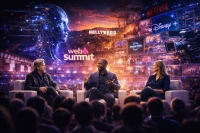

TIME CEO at Web Summit: How a 100-Year-Old Brand Survives in the Digital Era
Speaking at Web Summit, TIME CEO Jessica Sibley highlighted how traditional media companies must innovate and adapt to survive the digital transformation.

Crypto Laddin
Author
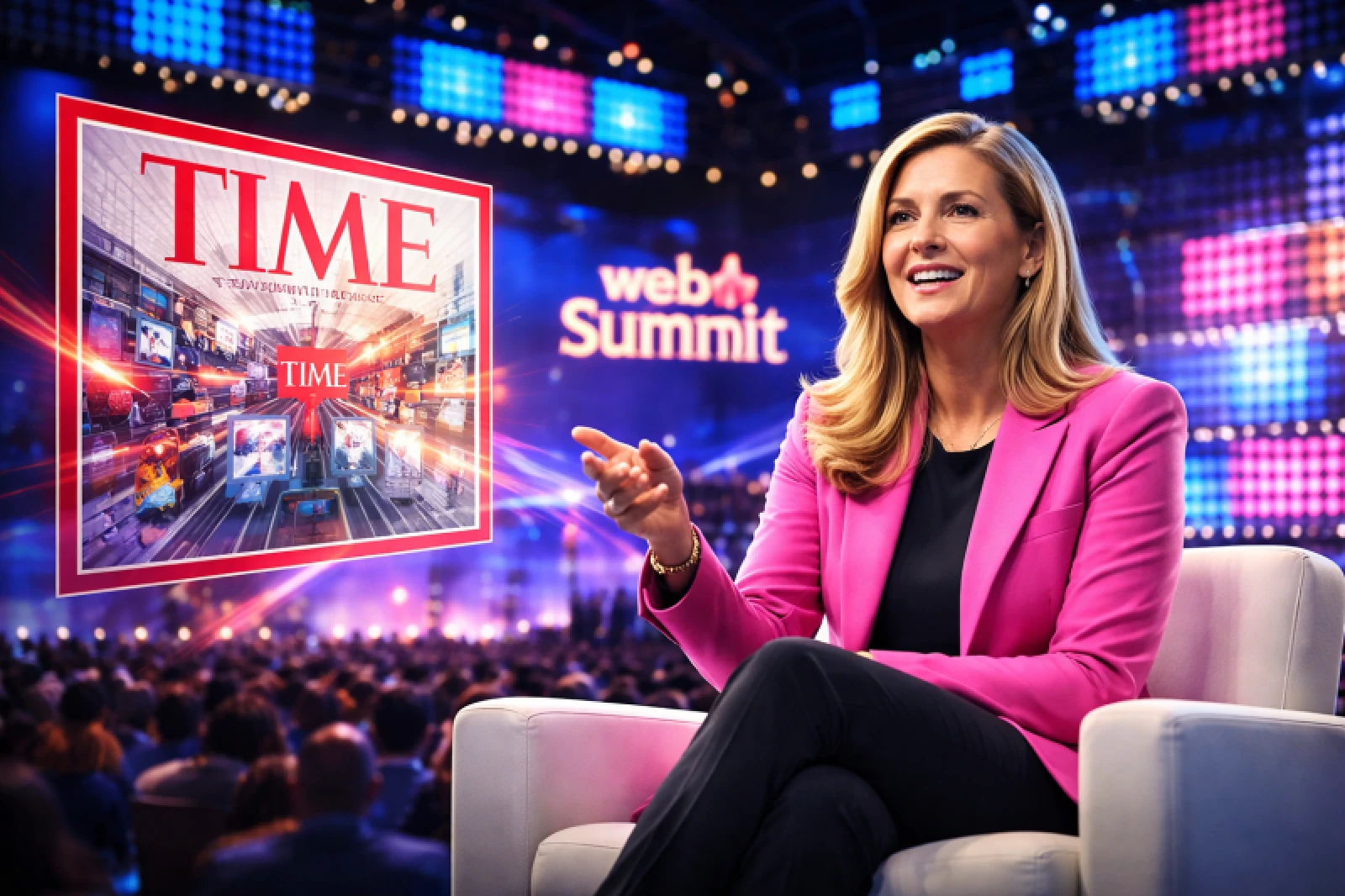
One of the world’s largest technology conferences, Web Summit, continues to bring together global leaders from technology, media, and entrepreneurship. During one of the event’s highlighted sessions, TIME CEO Jessica Sibley discussed how legacy media brands can remain competitive in the digital era.
In a post shared by the official Web Summit account, Sibley addressed a key question: How can a century-old brand stay ahead in a digital-first world? The discussion focused on how long-established media institutions like TIME must continuously evolve in order to remain relevant in a rapidly changing technological landscape.
According to Sibley, the transformation of the media industry has accelerated significantly over the past decade. Traditional publishing models that once relied heavily on print circulation have been disrupted by the rise of digital platforms, social media distribution, and mobile-first content consumption.
This shift has forced legacy brands to rethink not only their editorial strategies but also their business models, audience engagement methods, and revenue streams.
Sibley explained that companies like TIME are no longer simply magazine publishers. Instead, they are evolving into multi-platform media ecosystems that produce content across several formats and channels.
These include video journalism, podcasts, live digital events, newsletters, and social media storytelling. By expanding into multiple media formats, organizations can reach audiences where they already spend most of their time online.
Another important point raised during the session was the importance of community engagement. In today’s media landscape, audiences no longer behave as passive readers. Instead, they want to participate in discussions, interact with content creators, and build communities around shared interests.
For media organizations, this means creating deeper relationships with audiences through interactive content, social media conversations, and community-driven storytelling.
Web Summit has become a major global platform for discussing these types of transformations. Each year, the conference brings together tens of thousands of entrepreneurs, investors, policymakers, and technology leaders from around the world.
The event covers a wide range of topics including artificial intelligence, fintech, blockchain, startup ecosystems, and the future of media.
Sibley’s remarks highlighted how traditional industries are increasingly influenced by technological innovation. Media companies, in particular, must adapt quickly to remain competitive in a digital environment shaped by new technologies and changing consumer behavior.
For TIME, the transformation involves combining its historical reputation with modern digital distribution strategies, data-driven insights, and new storytelling formats.
Ultimately, the message from the Web Summit stage was clear: legacy brands cannot rely solely on their history to survive. Continuous innovation, digital transformation, and audience engagement are essential for long-term success in today’s media landscape.